Interview Preparation 2026: Questions, Answers & Job Tips
Getting an interview is only the first step. Strong interview preparation can help students and job seekers communicate their skills, experience and career goals with greater confidence.
Interviewers may ask general questions, technical questions, behavioural questions and role-specific questions. The best preparation is not memorizing hundreds of answers. It is understanding your resume, researching the employer and preparing clear examples from your experience.
Why Interview Preparation Matters
Good preparation can help you:
- Understand the job
- Explain your experience
- Reduce nervousness
- Answer common questions
- Prepare examples
- Ask intelligent questions
- Avoid preventable mistakes
Common Interview Questions
Tell me about yourself.
Give a short professional introduction covering:
- Education
- Relevant experience
- Important skills
- Current career goal
Avoid telling your entire life story.
Why do you want this job?
Connect your skills and interests with the actual role.
Why should we hire you?
Explain what you can contribute rather than simply saying you are hardworking.
What are your strengths?
Choose strengths relevant to the job and support them with an example.
What is your weakness?
Choose a genuine but manageable weakness and explain how you are improving it.
Why did you leave your previous job?
Answer honestly and professionally. Avoid attacking previous employers.
How to Answer Behavioural Questions
Many behavioural questions start with:
- Tell me about a time when…
- Give an example of…
- Describe a situation where…
A useful structure is STAR:
Situation: Explain the context.
Task: Explain your responsibility.
Action: Explain what you did.
Result: Explain what happened.
This structure keeps answers organized.
Technical Interview Preparation
Technical preparation depends on the job.
For example:
A finance candidate may need Excel, accounting and financial-analysis knowledge.
A digital marketing candidate may need SEO, analytics and campaign knowledge.
A software candidate may need programming, data structures and problem solving.
Read the job description carefully and identify the technical skills mentioned.
Research the Company
Before the interview, research:
- Products or services
- Target customers
- Industry
- Recent developments
- Job responsibilities
- Company culture
- Competitors
You do not need to memorize everything. Focus on information relevant to the role.
Prepare Your Resume
Know every line on your resume.
If you mention:
- Internship
- Project
- Certification
- Technical skill
- Achievement
be prepared to explain it.
Recruiters may ask follow-up questions about anything you include.
Questions to Ask the Interviewer
At the end, you may be asked whether you have questions.
Useful questions include:
- What would success look like in this role?
- What skills are most important during the first few months?
- What does a typical day look like?
- How does the team support new employees?
- What are the next steps in the hiring process?
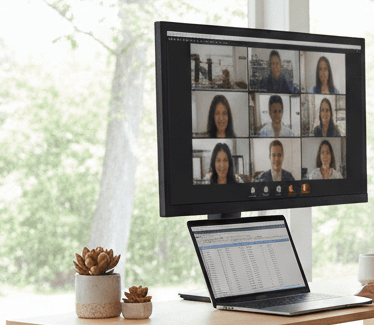
Online Interview Tips
For a video interview:
- Test your microphone
- Test your camera
- Check your internet connection
- Choose a quiet place
- Keep your resume nearby
- Join early
- Maintain professional body language
- Look toward the camera when speaking
Common Interview Mistakes
Avoid:
- Arriving late
- Not knowing your resume
- Giving extremely long answers
- Speaking negatively about previous employers
- Lying about skills
- Failing to research the company
- Asking only about salary at the beginning
- Using overly casual language
What to Do After the Interview
Write down:
- Questions you were asked
- Answers you gave
- Questions you struggled with
- Technical areas to improve
- Follow-up date
This turns every interview into a learning opportunity.
Frequently Asked Questions
What is interview preparation?
Interview preparation is the process of researching the company, understanding the role, preparing answers and practicing communication before an interview.
How can I prepare for an interview with no experience?
Use examples from college projects, internships, volunteering, academic work and personal projects.
How long should interview answers be?
Most general answers should be concise. Give enough detail to answer the question without turning every response into a long story.
Should I memorize answers?
No. Understand your key points and practice explaining them naturally.
Conclusion
Effective interview preparation is about preparation, not memorization. Understand the job, research the company, know your resume and prepare examples that demonstrate your skills.
Practice several times before the interview, but keep your answers natural. Confidence comes from knowing what you are talking about—not from memorizing a script.