
Introduction: Why Student Credit Cards in India are Essential in 2026
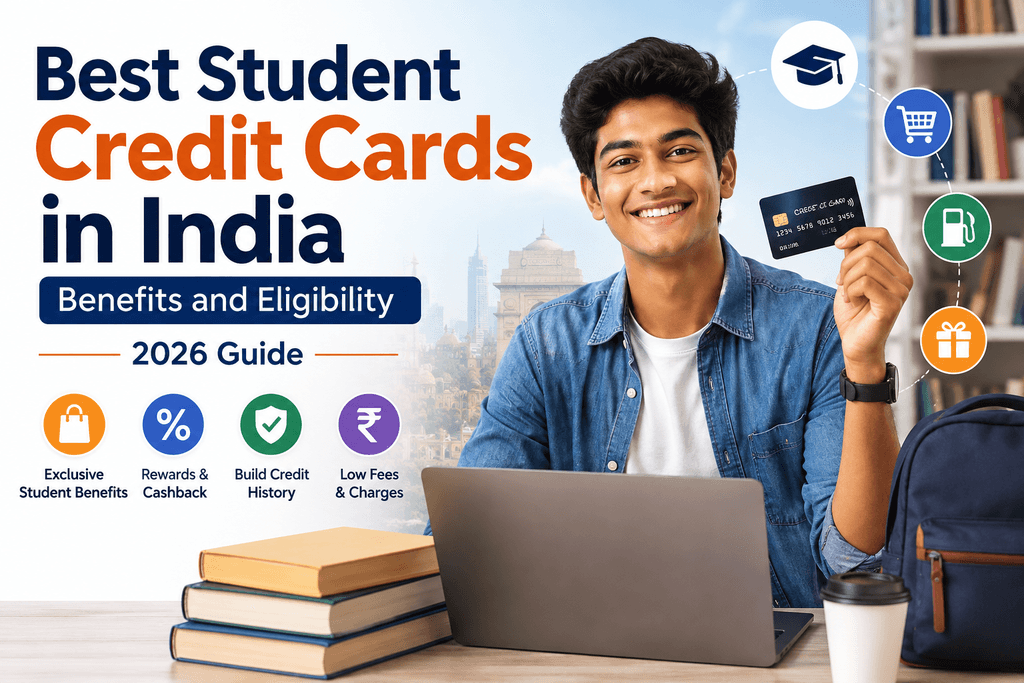
In 2026, the financial landscape for young adults has shifted from mere cash management to proactive credit building. Navigating the world of student credit cards India is no longer just about convenience at a checkout counter; it is about establishing a financial identity in an increasingly digital economy. For students today, a credit card serves as a foundational tool for learning financial discipline, managing recurring educational expenses, and preparing for future milestones like higher education loans or first-home purchases. For further guidance on financial planning, visit WisdomLand.
Whether you are looking to manage your monthly expenses more effectively or planning for an international semester, choosing the right card is a critical first step toward long-term financial health. For more detailed insights on navigating student life, scholarships, and career milestones, you can explore resources at WisdomLand.
Understanding Student Credit Cards in India
The market for student credit cards India is specialized and diverse, reflecting the unique needs of a demographic that often lacks a traditional income stream or extensive credit history.
Can Students Get Credit Cards?
The short answer is yes, but the path depends heavily on the specific requirements of the issuer. Unlike standard credit products, student cards often involve alternative eligibility markers:
- Age: Applicants typically need to be at least 18 years old.
- Income: While many students do not have a regular salary, some cards allow for a co-applicant (like a parent) to provide income proof.
- Fixed Deposits (FD): This is the most common route for students, where the card is issued against a small deposit.
- Relationship: Existing accounts, such as an education loan or a long-standing savings account with a bank, can sometimes simplify the process.
Secured vs. Unsecured Cards
Understanding the distinction between these two types of student credit cards India is vital for making an informed choice:
- Secured (FD-Backed) Cards: These are the most accessible for beginners. You place a fixed deposit (starting from as low as ₹5,000–₹20,000), and the bank issues a card with a limit usually around 80–90% of that deposit. This minimizes risk for the bank and ensures a high approval rate for the student.
- Unsecured Cards: These do not require collateral but often demand more documentation, such as proof of a part-time job or a parent acting as a co-applicant. They are harder to obtain without an existing credit history or a strong banking relationship.
Why Student Credit Cards in India Matter in 2026
The year 2026 demands a higher level of financial literacy than ever before. Using student credit cards India effectively provides several strategic advantages:
- Building a Credit History: Responsible use helps build a CIBIL score early. A strong score can lead to better loan terms for education or personal needs later in life.
- Financial Literacy: Managing a credit limit teaches the importance of budgeting and understanding interest cycles.
- Emergency Preparedness: A credit card acts as a safety net for unexpected educational costs or travel emergencies.
- Rewards and Savings: Many student-friendly cards offer cashback or reward points on common expenses like online shopping, subscriptions, and even educational materials.
Top Student-Friendly Cards
When searching for the best student credit cards India, focus on products that offer high accessibility and low fees.
FD-Backed Options
- IDFC FIRST WOW: Frequently cited as one of the best choices for students. It is often lifetime-free, requires no income proof, and offers zero forex markup on international spends—making it perfect for those planning to study abroad.
- Bank Secured Cards: Major players like SBI, HDFC, and Axis Bank offer simplified secured card programs designed for first-time users. These cards often have low entry barriers and allow you to increase your limit as you add more to your fixed deposit.
Unsecured Starter Cards
While less common for those without income, some banks offer basic unsecured cards to students who have an existing education loan or a parent as a co-signer. These cards might offer higher initial limits but come with stricter eligibility criteria and more rigorous documentation.
How to Choose the Right Student Credit Card
Selecting the right student credit cards India requires a systematic approach:
- Evaluate Your History: If you have no credit history or income proof, prioritize FD-backed cards.
- Check Foreign Transaction Fees: If you plan on buying online from international sites or traveling, look for cards with low or zero forex markup.
- Compare Fees and Rewards: A lifetime-free card is usually better for a student than one with a high annual fee, even if the latter has better rewards.
- Assess Limit Flexibility: Choose a card that allows you to easily manage or increase your credit limit as your needs evolve.
Responsible Usage and Building Credit
Owning a card is only half the battle; the real value of student credit cards India lies in how you use them.
- Pay in Full: Always pay the total outstanding balance by the due date to avoid high interest rates, which can exceed 3% per month.
- The 30% Rule: Keep your credit utilization below 30% of your total limit. This demonstrates responsible management and helps improve your credit score.
- Avoid Cash Withdrawals: Cash advances on credit cards attract immediate interest and separate fees. Use your card for transactions, not for withdrawing cash.
Common Mistakes to Avoid
To maintain a healthy financial profile with student credit cards India, avoid these common pitfalls:
- Mass Applications: Applying for multiple cards simultaneously can lead to multiple “hard inquiries,” which can lower your credit score.
- Missing Dates: Even a single late payment can negatively impact your credit history. Set up auto-pay or calendar reminders.
- Security Lapses: Never share your OTP, PIN, or card details. Use official bank apps to monitor transactions.
- Overspending: Treat the card as a payment tool, not as extra income.
Frequently Asked Questions (FAQs)
What are the eligibility requirements for student credit cards in India?
Eligibility varies by bank but typically includes being at least 18 years old, having a co-applicant or a fixed deposit, and sometimes an existing banking relationship.
Can I get a student credit card without an income?
Yes, most students get cards through a “secured” route by opening a fixed deposit with the bank.
Are student credit cards different from regular credit cards?
They are often more accessible, have lower limits, and may focus on benefits like low fees or educational rewards rather than high-end lifestyle perks.
What happens if I miss a payment on my student credit card?
You will be charged late fees and high interest. More importantly, it will negatively affect your credit score, making it harder to get loans in the future.
Do I need a co-applicant to apply for a student credit card?
It depends. For unsecured cards, a co-applicant is often necessary. For secured (FD-backed) cards, it is usually not required as the deposit acts as security.
Final Thoughts
The best student credit cards India are tools of empowerment when used with foresight and discipline. By starting early with a secured card, students can master financial management and build a robust credit profile that serves them for decades. Always remember to verify the latest terms and fees directly with official sources like the RBI and monitor your score through recognized bureaus like CIBIL. For more resources on student success, check out WisdomLand. Research carefully, spend realistically, and let your first credit card be the first step in a successful financial journey.